

Entry Exit System disruptions on first day of full operations affirm yet again the immediate need for flexibility
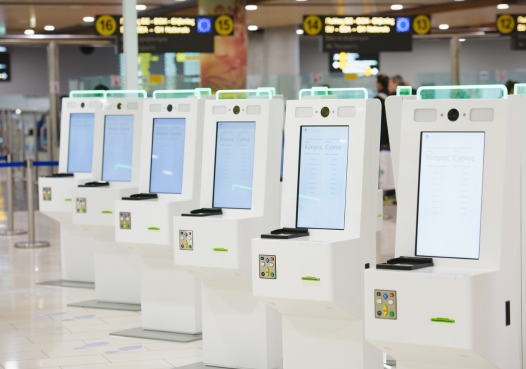
Brussels: Airports and airlines today called on the European Commission and EU Member States to immediately introduce additional flexibility in the operation of the Schengen Entry Exit System (EES), as the first day of full operations was marked by passenger disruptions, delays and missed flights. ACI EUROPE and Airlines for Europe (A4E) have for weeks cautioned about the EES operational rollout challenges. On this first day of full operations, these major concerns are now a reality. The European Commission noted today that registering a traveller takes on average only 70 seconds when the EES is functioning at full capacity. However, initial reports from a number of airports and airlines across the Schengen area confirm that the mandatory registration of all third-country nationals as of 31 March – combined with the end of the possibility to fully suspend the system effective as of today, is now resulting in:
- Passenger waiting times of 2 to 3 hours at airport border control during peak travel periods. These delays are occurring despite border authorities making extensive use of partial suspension measures, which allow biometrics data not to be captured.
- Significant disruption to flight operations, with passengers missing flights and delays due to prolonged border processing times. For instance, a flight to the UK today was missing 51 passengers at departure. Another flight had zero passengers on board at gate closing time, and 90 minutes later, 12 passengers were yet to reach the gate.
Olivier Jankovec, Director General of ACI EUROPE, and Ourania Georgoutsakou, Managing Director of A4E, said: “While we will continue to closely monitor developments in the coming days, it is already evident that greater flexibility is immediately needed. Border control authorities must be allowed to fully suspend the EES when waiting times become excessive. This is essential not only in the coming weeks, but throughout the peak summer travel season. Our support for the EES and its objectives is unwavering. However, strengthening border management must not come at the expense of operational efficiency or the passenger experience. Safeguarding Europe’s reputation as an accessible and well-functioning tourist and business destination is at stake, particularly as air travel is already facing significant disruption due to the ongoing situation in the Middle East.”